records
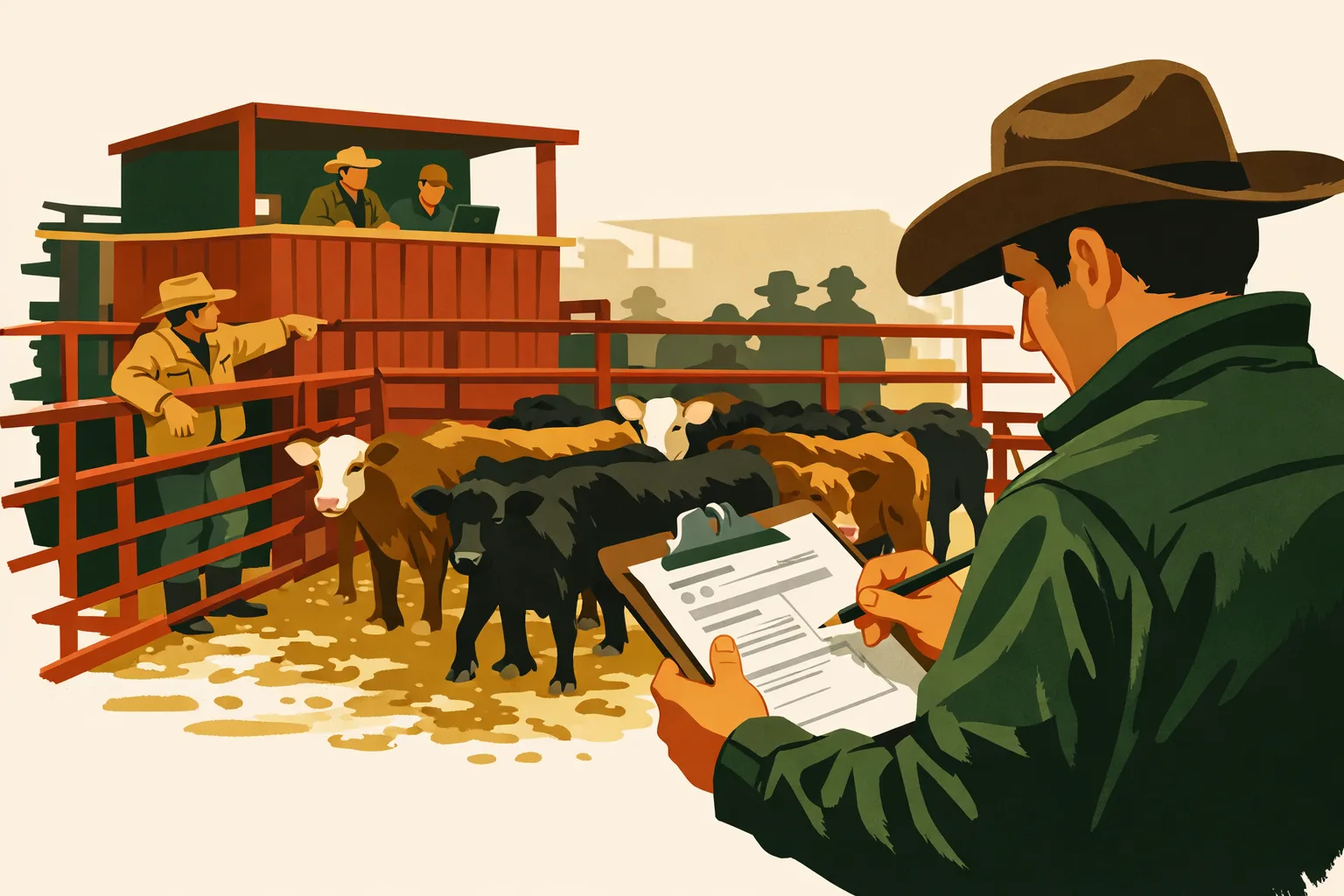
Cattle Purchase Records: What to Document When You Buy Stocker Cattle
Stocker cattle operations need specific purchase records at receiving — health history, origin documentation, brand inspection, and interstate health.
Aug 19, 2026
9 articles
Stocker cattle operations need specific purchase records at receiving — health history, origin documentation, brand inspection, and interstate health.
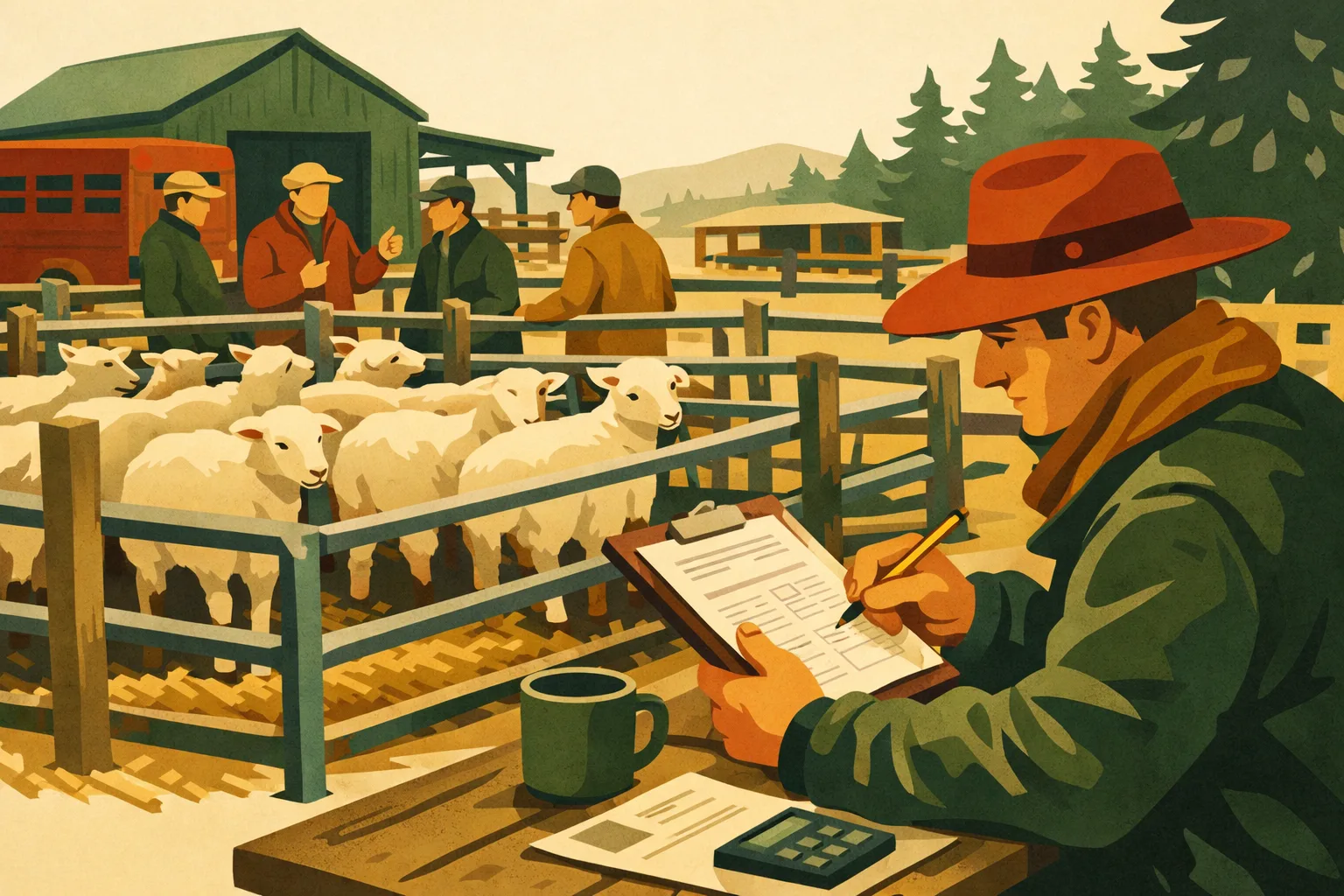
Sheep producers selling direct or to processors need specific records at the point of sale. This guide covers what lamb buyers, breed registries, and USDA.
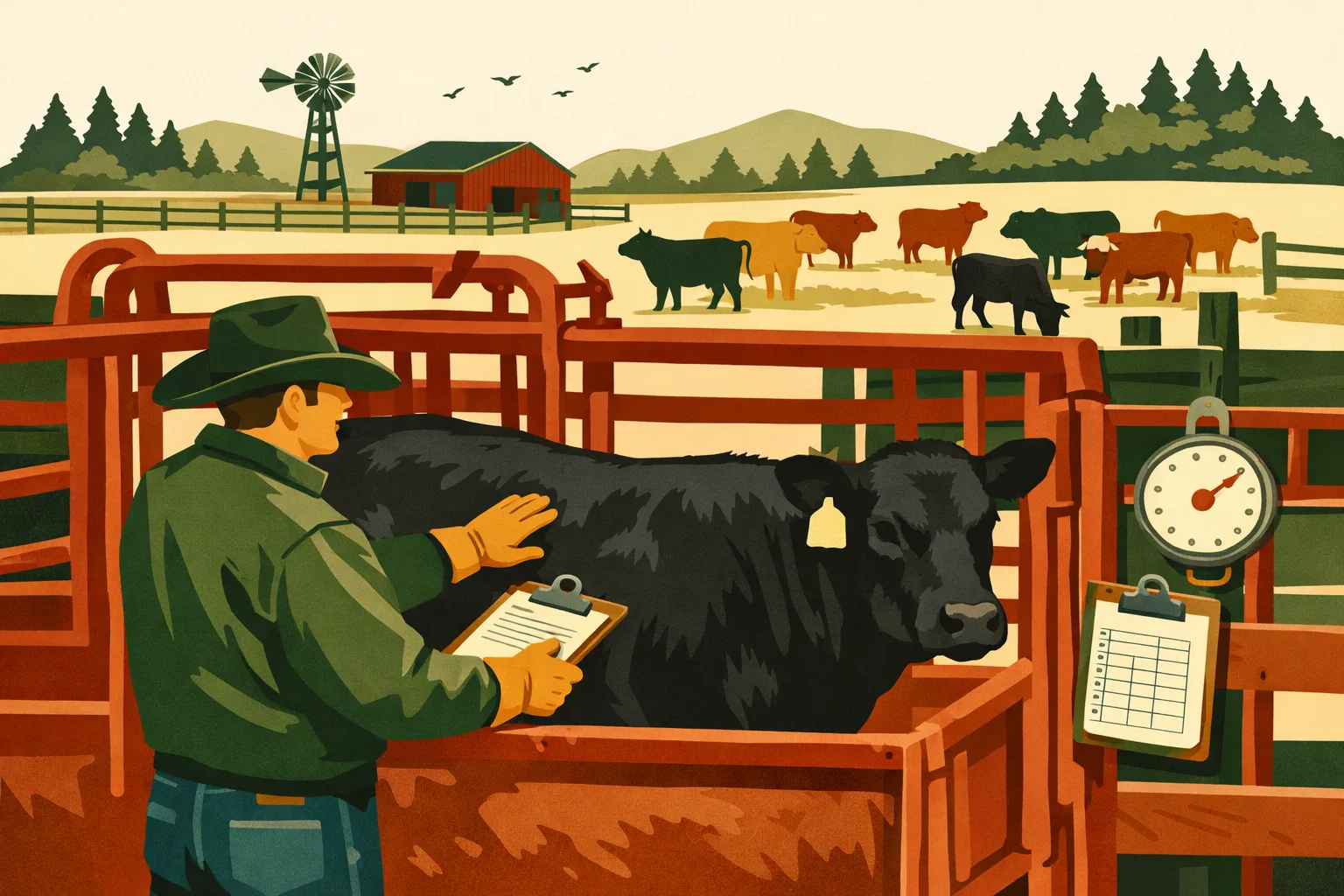
Cattle body condition scoring (BCS) is a free management tool most producers underuse. This guide explains how to score, when to record BCS, and how to use.
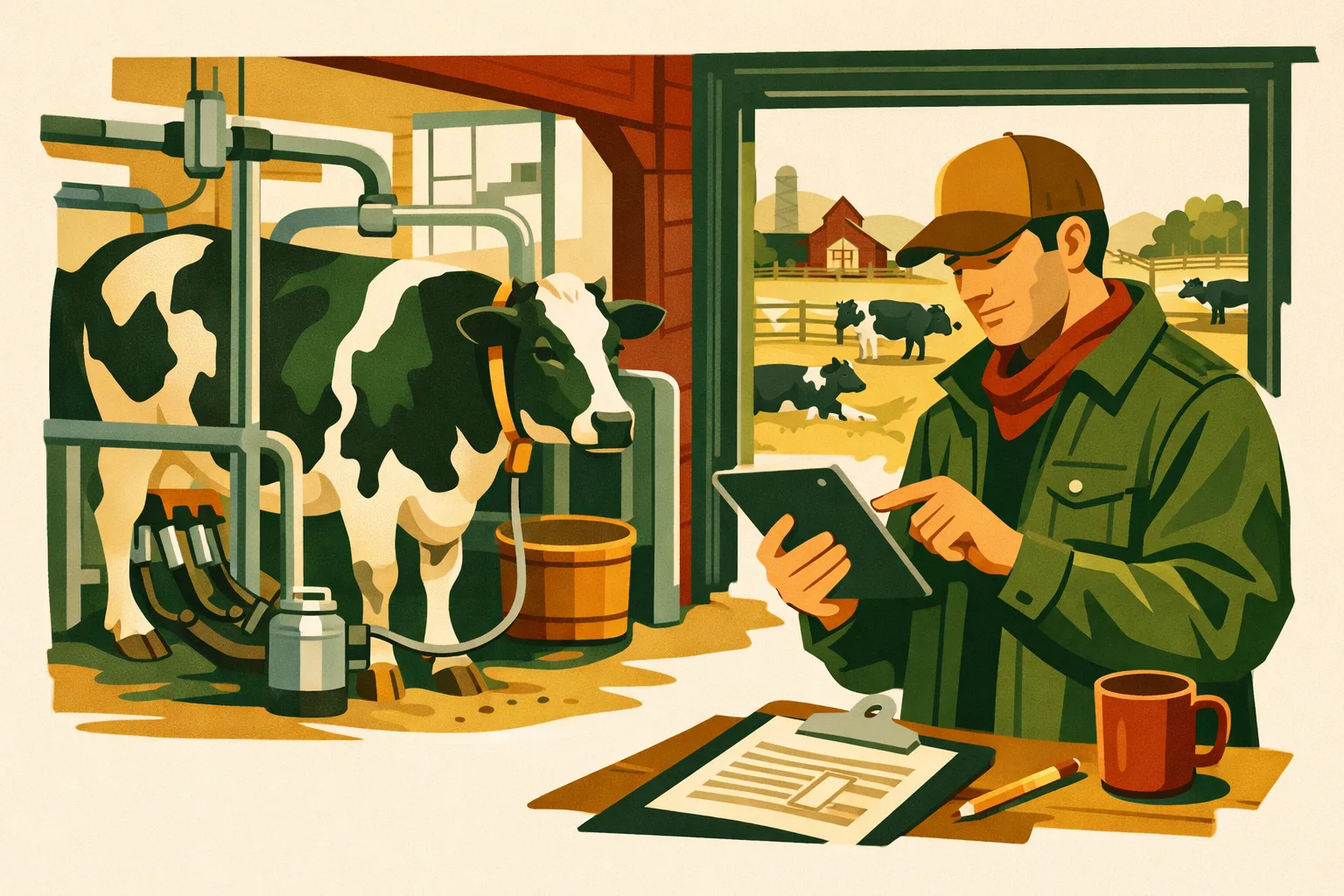
Dairy herd management records differ significantly from beef operations. This guide covers milk production logs, somatic cell count tracking, dry-off.
How long do you need to keep livestock records? State requirements vary, but the practical minimum for treatment logs, breeding records, and sales paperwork is.
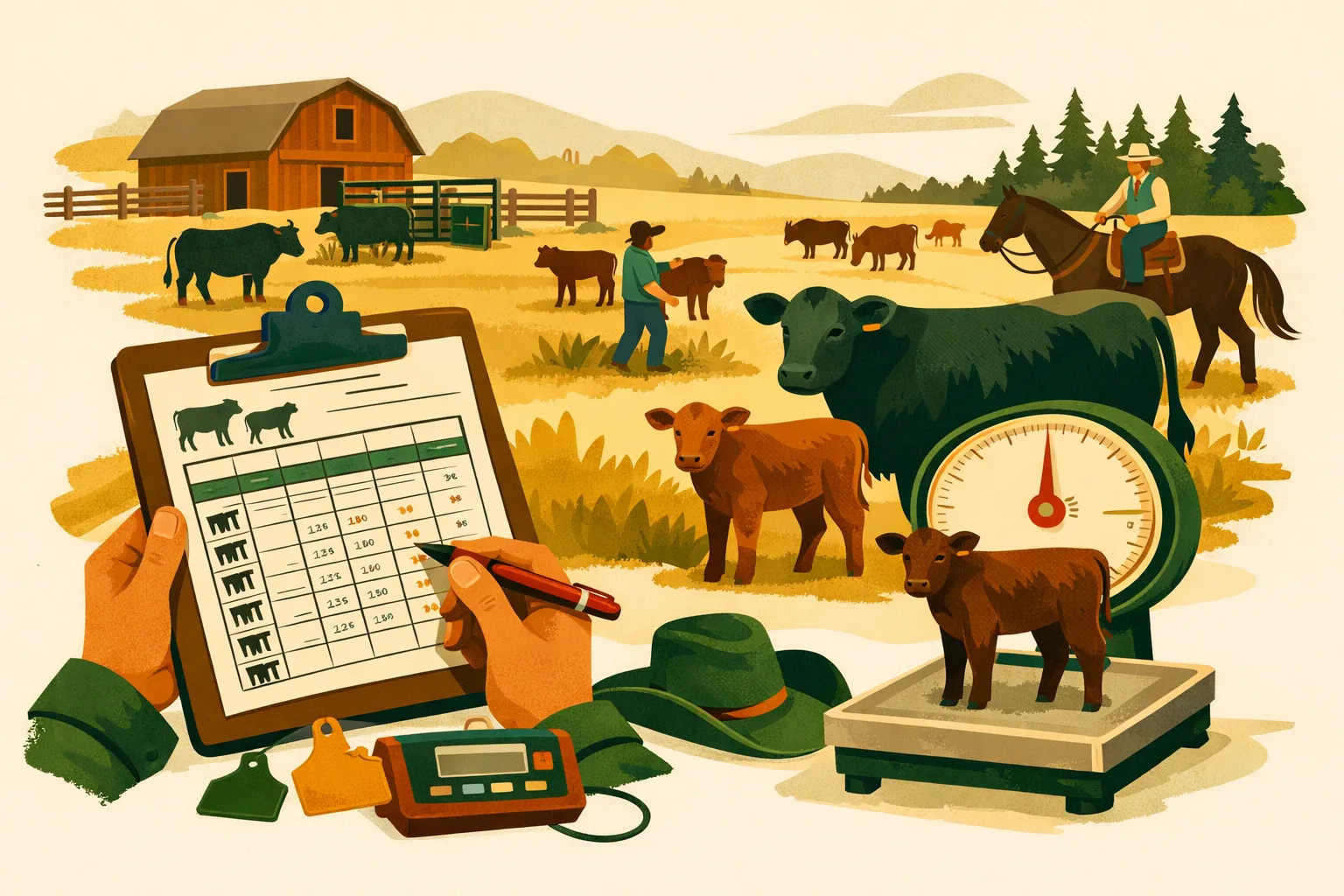
Weaning and weight records that move calves at sale time — what to weigh, when, and how to turn it into a buyer-ready sheet.
Keep goat herd records that actually help — kidding dates, lineage, FAMACHA scores, deworming, milk yields, and health history in one place.
The sheep flock records that pay off at lambing and sale — ewe productivity, lambing ease, tag IDs, and culling notes.
The cattle records that actually matter at calving, sale, and audit time — and the six fields most ranchers forget to log.